


Many women struggle with a tummy that still looks pregnant, months or years after delivery. Diastasis recti is the common cause behind the bulge that refuses to go away, affecting roughly 30% of postpartum women.
Contrary to common myths, it’s possible to improve the look of your tummy, even when the delivery was months or years ago. The right treatment helps you regain your core strength for a more supported abdomen.
What Is Postpartum Diastasis Recti?
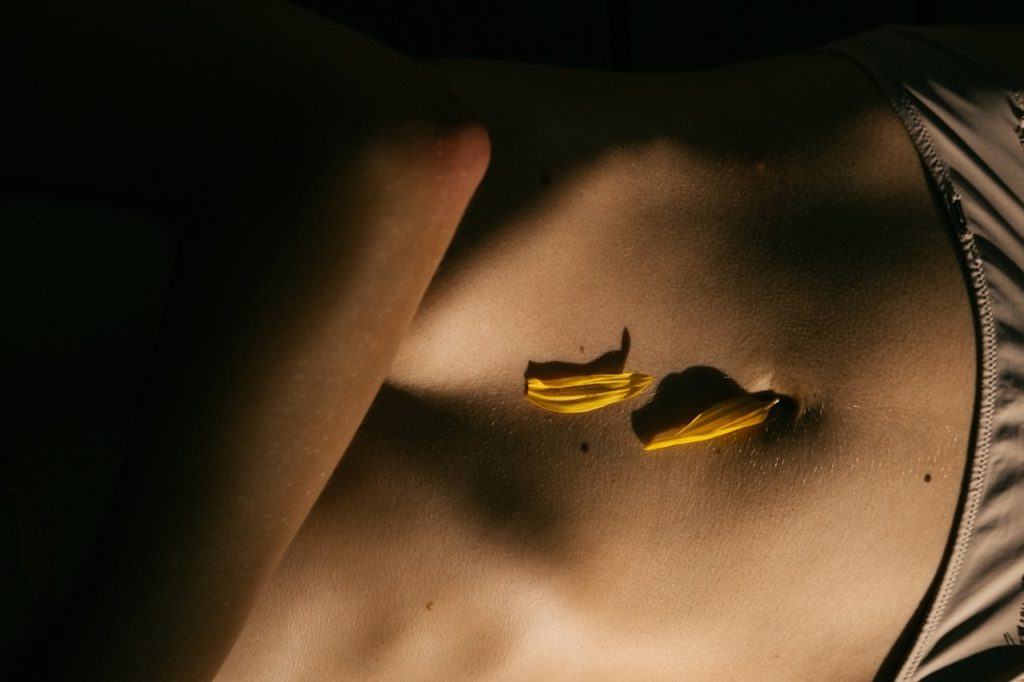
Postpartum diastasis recti is the separation of the left and right abdominal muscles that remains after giving birth. This condition gives an appearance of a belly bulge and contributes to issues like core weakness, urinary incontinence and in some cases, pelvic organ prolapse, as the weakened core and pelvic floor provide less support.
Difference Between Normal Postpartum Belly vs Diastasis Recti
As both can appear as a belly bulge, it’s easy to mistake a normal postpartum belly for diastasis recti, and vice versa.
With a normal postpartum belly, the abdomen may feel soft and slightly loose, without persistent “pooch” or doming. Diastasis recti, on the other hand, presents with a visible ridge or doming along the midline, caused by the separation of the abdominal muscle.
Causes of Diastasis Recti After Pregnancy
Postpartum diastasis recti occurs due to one or a combination of the following factors:
Increased abdominal pressure during pregnancy
As the fetus grows, the uterus moves out of the pelvis and exerts pressure on the abdominal wall. It causes the abdominal wall to stretch and thin, weakening the connective tissue and separating the abdominal muscles over time.
Hormonal changes
Hormonal changes can also contribute to diastasis recti. The hormone, namely relaxin, softens and increases the laxity of the connective tissue that holds the abdominal muscle together. As a result, it becomes easier for it to stretch during pregnancy.
Risk factors for diastasis recti
On top of increased pressure on the abdominal wall and hormonal changes, the following factors carry a higher risk for diastasis recti in postpartum women:
- Multiple pregnancies
- Large baby or twins
- Weak core muscles
- C-section delivery
- Short interval between pregnancies
Signs and Symptoms of Postpartum Diastasis Recti
Postpartum diastasis recti typically presents with the following signs and symptoms:
Visible abdominal “doming”
With diastasis recti, the belly often looks raised, with a dome-like bulge that protrudes along the midline. It becomes more noticeable when engaging the core, such as sitting up or straining.
Persistent “postpartum belly”
Bulging caused by diastasis recti typically persists for a longer time. Many postpartum women notice that their belly still looks “pregnant” for months or years after giving birth.
Core weakness
The abdominal muscle separation often weakens the core. Everyday movements such as lifting, bending or maintaining balance often become more challenging than they used to be.
Lower back pain
Though not always, diastasis recti can cause lower back pain. The weakened core may cause a loss of stability, forcing the back muscle to compensate for the lack of support, leading to pain or discomfort.
Poor posture
The abdominal muscle separation often makes it difficult for the core to maintain a stable posture. As a result, sitting or standing upright for a long time can feel uncomfortable.
Difficulty returning to exercise
Exercises that require engaging the core can feel difficult and unstable. Many postpartum women with diastasis recti experience discomfort when trying to return to their usual workouts.
How to Check for Diastasis Recti at Home
A simple self-check can help to check for diastasis recti at home, involving these steps:
- Lie on your back, with your knees bent and feet flat on the floor.
- Place your fingers (around 2-3 fingers wide) above your belly button.
- Lift your head and shoulders slightly off the floor.
- Feel for a gap between the midline.
If you feel a gap of two or more finger-widths, or a soft separation in the middle, it may indicate diastasis recti.
CTA: Take a Diastasis Recti Quiz
When Should Postpartum Mothers Seek Treatment?
Postpartum diastasis recti is common, and not all cases require treatment. In many cases, the bulging resolves within the first few weeks to months postpartum, as part of the body’s natural healing process after delivery.
Medical treatment for diastasis recti is usually recommended when:
- The separation persists beyond 3 – 6 months postpartum
- There is a noticeable core weakness affecting daily activities
- Symptoms such as back pain, poor posture or discomfort are present
Seeking treatment early helps to improve recovery outcomes and prevent symptoms from worsening.
Non-Surgical Treatment Options for Postpartum Diastasis Recti
Diastasis recti treatment typically focuses on helping postpartum women regain core strength, which can significantly improve posture and overall comfort during daily activities. Approaches usually involve physiotherapy, targeted exercises and support garments.
Postpartum Physiotherapy

Physiotherapy focuses on guided rehabilitation to safely restore core function and support healing of the abdominal muscles, which involves:
- Core rehabilitation programmes, such as clinical core flow, which help retrain deep core muscles and gradually reduce the separation.
- Pelvic floor strengthening, which supports overall core stability and may help address symptoms like urinary incontinence.
- Breathing techniques, such as diaphragmatic breathing, which help activate deep core muscles and reduce strain on the abdominal wall.
Targeted Diastasis Recti Exercises

Deep core activation, pelvic tilts and controlled abdominal contractions are exercises that help to safely engage the core. Consistency is key, and you may gradually notice improvements in core strength, stability and even weight management over time.
Postpartum Belly Wraps and Support Garments
Support garments such as belly wraps or abdominal binders can provide gentle compression and support to the abdominal muscles. These can help improve stability and comfort during daily activities.
Non-Invasive Aesthetic Treatments
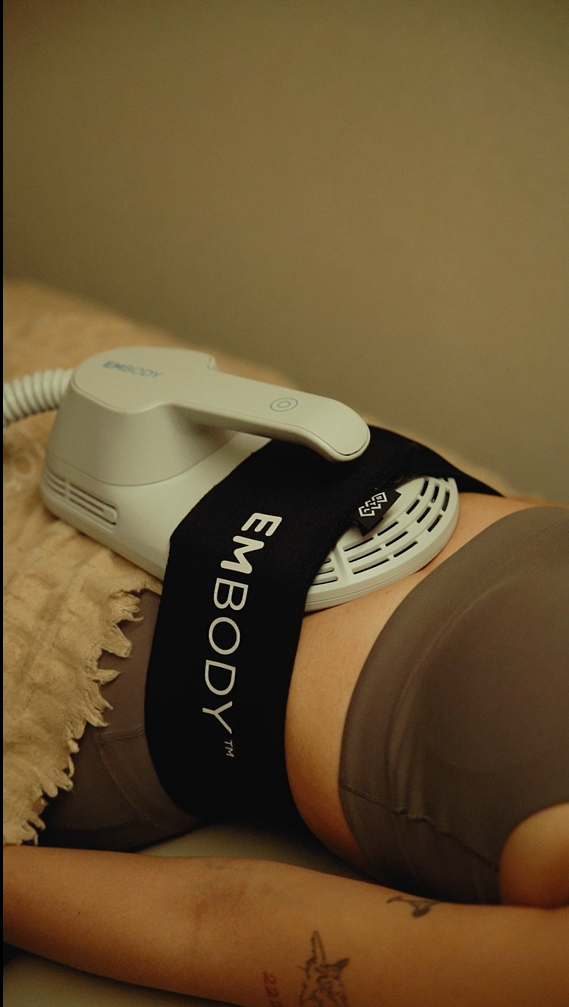
Non-invasive aesthetic treatments complement foundational approaches like physiotherapy, exercises and support garments. The following treatments are often recommended to improve abdominal appearance:
- EMBODY™, which involves electromagnetic energy to stimulate abdominal muscle contractions.
- BTL Emsella, which activates pelvic floor muscles from electromagnetic stimulation.
- Pure Impact™ by Sofwave™, which uses ultrasound energy to stimulate collagen production to help improve skin firmness.
- Vanquish ME™, which helps target abdominal fat using radiofrequency energy.
Surgical Treatment for Severe Diastasis Recti
Severe cases of diastasis recti may require surgical treatments to repair the separation and restore abdominal wall integrity. Procedures such as tummy tuck (abdominoplasty) or laparoscopic repair may be considered depending on the severity and individual needs.
Recovery Timeline for Postpartum Diastasis Recti Treatment
Non-invasive aesthetic treatments for diastasis recti usually involve minimal downtime. Mild and temporary sensations such as warmth, muscle fatigue or slight redness usually last for a couple of hours to a day.
However, the case is different when it involves surgical intervention. Procedures such as abdominoplasty may require a longer recovery period. Returning to normal movement takes place gradually and is done under medical guidance to ensure safe healing.
Cost of Diastasis Recti Treatment in Singapore (2026)
The cost of diastasis recti treatment in Singapore varies depending on the clinic and type of treatment recommended. A non-invasive treatment like EMBODY™, for example, starts from $300 per session at our clinic.
For a more accurate estimate, you may book a consultation with us, where we create a personalised plan based on your condition and goals. You can also start with trial sessions at a lower cost before committing to a full course of treatment.
Choosing the Right Treatment
The right treatment option is typically determined after consultation. Our team will examine the following factors before recommending the following options:
- Severity of the abdominal muscle separation
- Symptoms affecting your daily life
- Whether there are future pregnancy plans
- Personal goals—functional vs cosmetic improvements
Preventing Diastasis Recti in Future Pregnancies
While experiencing diastasis recti after giving birth is common, there are ways to reduce its severity, or even prevent it altogether. Here are some things you can do:
- Practise prenatal exercises: Engage in gentle, guided exercises that support the core without placing excessive strain on the abdominal wall.
- Strengthening the deep core muscles: Focus on activating the core and pelvic floor to provide better support during pregnancy.
- Proper postpartum recovery practices: Give time for healing and gradually reintroduce core exercises to support recovery and reduce strain on the abdomen.
Final Thoughts: We help you get the right support for diastasis recti
Managing diastasis recti and improving the way your belly looks is possible with the right approach. At Prologue to Wellness, we help empower your journey to restore core strength and confidence with physiotherapy, guided exercises and non-invasive aesthetic treatments.
Let’s find the approach that works for you. Book your appointment today.
FAQs
How to fix postpartum diastasis recti?
Physiotherapy, guided exercises and non-invasive treatments are approaches given to fix postpartum diastasis recti. Consistency is key to noticing improvements over time.
Is it ever too late to fix diastasis recti?
It’s never too late to fix diastasis recti. With the right approach, improvement is still possible, even if your delivery was months or years ago.
How long postpartum can you heal diastasis recti?
That depends on the individual. Diastasis recti may resolve naturally within the first few weeks to months after delivery, while for others it can take longer and requires supportive treatments.
Can diastasis recti be cured by exercise?
Exercise alone may not fully “cure” diastasis recti in every case. However, targeted core exercises can help strengthen the abdominal muscles, improve support and gradually reduce the separation over time.

