


Key Takeaways
- HBOT isn’t essential for most people – while it can support healing, energy, and physical resilience, it’s expensive, time-consuming, and has limited accessibility.
- Sleep, nutrition, and understanding hormonal changes have a bigger impact on energy, recovery, and long-term health than HBOT alone.
- Instead, maintain a consistent sleep routine, optimise diet for protein and micronutrients, and manage hormonal changes to support performance and wellbeing.
- Our team offers tailored solutions including sleep improvement strategies, in-house dietitian guidance, and hormonal screening for women in perimenopause and menopause.
If you are a woman in your 40s or 50s who trains regularly, you likely already notice you recover slower than you used to. This is largely driven by hormonal changes, where the decline of oestrogen affects muscle repair and sleep quality.
In a bid to feel better and perform faster, many are turning to Hyperbaric Oxygen Therapy (HBOT), often touted for its benefits in performance, healing and even ageing. But is HBOT truly necessary for the average person, especially women navigating perimenopause and menopause?
What Is Hyperbaric Oxygen Therapy (HBOT)?
Hyperbaric Oxygen Therapy (HBOT) is a medical treatment which involves breathing 100% oxygen inside a pressurised chamber at pressures higher than normal atmospheric levels. This allows your lungs to absorb significantly more oxygen than under typical conditions, increasing the amount of oxygen that dissolves in the blood and reaches body tissues.
This elevated oxygen delivery is thought to support several physiological processes, including:
- Tissue repair and wound healing – oxygen plays a key role in cellular repair mechanisms and may help support the healing of stubborn or chronic wounds (e.g. diabetic foot ulcers) by enhancing growth factor release and reducing oxidative stress and inflammation.
- Reduced inflammation and swelling – higher oxygen concentrations can help mitigate inflammation and support perfusion (blood flow) to tissues that may not be getting enough oxygen under normal conditions.
- Angiogenesis (formation of new blood vessels) – oxygen-rich environments can stimulate the body to grow new microvasculature, which can help nutrient delivery to damaged or oxygen‑deprived tissues.
- Immune function support – increased oxygen may help immune cells work more efficiently and could contribute to better infection control around wounds.
Clinically, HBOT is used for conditions like decompression sickness (the “bends” from scuba diving), severe carbon monoxide poisoning, and stubborn, non-healing wounds.
What’s Hyperbaric Oxygen Therapy Good For?
In recent years, HBOT has gained traction in the wellness space for its ability to support cellular repair and regeneration. For women specifically, HBOT is often positioned to promote skin health and collagen support, support muscle repair and physical resilience and potentially improve mental clarity and energy (e.g. brain fog).
For active women or female athletes, this can translate into feeling more supported in maintaining an active lifestyle despite changing physiology.
Is Hyperbaric Oxygen Therapy Worth It?
HBOT undoubtedly has many benefits that qualify it as a “worth it” treatment” – if you have additional time and money to spare.
The reality is that HBOT sits in the category of high-investment, marginal-gain interventions.
A single session typically costs between $150 to $400, depending on the facility and protocol. Most evidence-based programmes recommend a course of 20 to 40 sessions to achieve meaningful physiological effects. That translates to approximately $3,000 to $16,000 for one course, before factoring in maintenance sessions.
Hyperbaric chambers require specialised equipment and medical supervision, and in Singapore, they are only available in a small number of hospitals and private clinics.
Like any medical intervention, HBOT is not entirely without risk too. Some reported side effects include ear or sinus discomfort from pressure changes, temporary vision shifts, and in rare cases, oxygen toxicity.
What Actually Makes a Bigger Difference
While HBOT can support the body, it does not replace the foundations that drive how your body functions day to day.
For women in midlife, especially those who remain active, these biggest levers are often the simplest yet overlooked:
Sleep
Hormonal changes during perimenopause can disrupt sleep patterns, making it harder to fall or stay asleep. During sleep is when your body carries out critical processes like muscle repair, hormone regulation, and cognitive recovery; lack of it directly impacts energy levels, performance, metabolism, and overall resilience.
Improving sleep quality is often one of the highest-return interventions you can make.
Nutrition
As oestrogen declines, the body’s nutritional needs shift. Adequate protein intake, balanced blood sugar, and key micronutrients help to support muscle repair and maintenance, reduce inflammation and stabilise energy throughout the day
Without these in place, even advanced treatments like HBOT will have limited and short-lived effects.
Hormonal Awareness
Many symptoms –from fatigue and brain fog to slower physical recovery– are often linked to underlying hormonal changes.
Without understanding what’s happening internally, it becomes difficult to choose the right interventions. What may seem like a need for “more recovery support” could actually be a sign of hormonal imbalance or transition.
What Can Women Do To Recover and Feel Better?
If your goal is to feel strong, energised, and in control of your health over time, the most effective path is often a structured, personalised approach that is both accessible and built for long-term longevity.
Consider these instead:
Improving your sleep
Hormonal changes during perimenopause and menopause can significantly disrupt sleep quality and duration.
There are several strategies you can try at home to improve sleep quality:
- Maintain a consistent sleep schedule – go to bed and wake up at the same time daily.
- Create a cool, comfortable sleep environment – use fans, breathable bedding, or lower room temperature to counter night sweats.
- Limit caffeine and alcohol in the evening – both can interfere with falling and staying asleep.
- Incorporate calming routines – such as light stretching, reading, or mindfulness exercises before bed.
- Support hormonal balance through diet and exercise – regular movement and balanced nutrition can help regulate sleep patterns.
If your sleep remains disrupted after four weeks of consistent effort, it may be time to seek specialist support.
At Prologue Centre for Women Wellness, we specialise in helping women in perimenopause and menopause manage sleep challenges through personalised strategies tailored to your symptoms and lifestyle.
Health & Nutrition Support
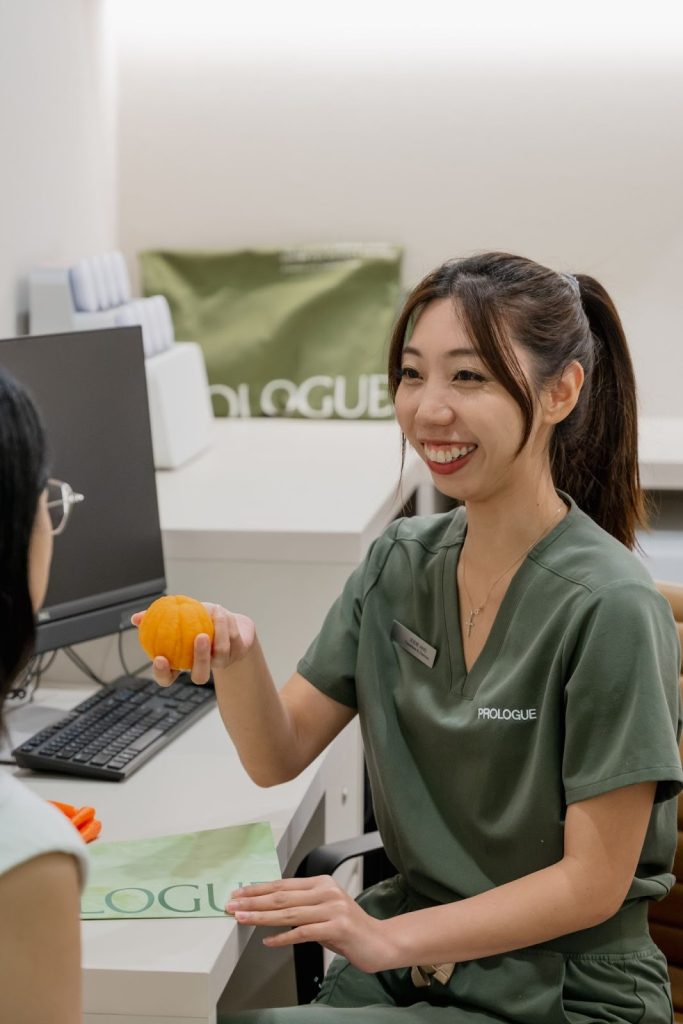
A personalised nutrition plan, when designed by a professional dietitian, can help you support muscle repair, stabilise energy, manage inflammation, and optimise overall wellbeing.
Our in-house team of dietitians can help you build sustainable lifestyle habits, guiding you to make consistent nutrition and wellness choices that support long-term vitality rather than relying on quick fixes.
Hormonal Screening
Understanding your hormonal profile provides clarity on why your body may feel fatigued, why sleep or recovery is affected, or why certain symptoms appear.
With hormonal screening, interventions can be tailored to your specific needs, allowing you to address root causes rather than just managing symptoms. This ensures that lifestyle, nutrition, and wellness strategies are optimised for your body at this stage of life.
The Bottom Line
Hyperbaric oxygen therapy can be a valuable tool, but for most people, it is not essential.
For the majority of women, especially those balancing work, family, and training, the greatest returns come from getting the fundamentals like sleep and nutrition right first.
At Prologue Centre for Women Wellness, we specialise in helping women in perimenopause and menopause explore solutions that work for their bodies and lifestyle. Discover how our personalised programs can support your long-term vitality – book a consultation today.
References:
- Capó, X., Monserrat-Mesquida, M., Quetglas-Llabrés, M., Batle, J. M., Tur, J. A., Pons, A., Sureda, A., & Tejada, S. (2023). Hyperbaric Oxygen Therapy Reduces Oxidative Stress and Inflammation, and Increases Growth Factors Favouring the Healing Process of Diabetic Wounds. International journal of molecular sciences, 24(8), 7040. https://doi.org/10.3390/ijms24087040
- Capó, X., Monserrat-Mesquida, M., Quetglas-Llabrés, M., Batle, J. M., Tur, J. A., Pons, A., Sureda, A., & Tejada, S. (2023). Hyperbaric Oxygen Therapy Reduces Oxidative Stress and Inflammation, and Increases Growth Factors Favouring the Healing Process of Diabetic Wounds. International journal of molecular sciences, 24(8), 7040. https://doi.org/10.3390/ijms24087040
- https://cdn.prod.website-files.com/67e21fbecf7452f77d0557bd/6823181d1ed4f0eae0900019_The%20effect%20of%20hyperbaric%20oxygen%20therapy%20on%20the%20pathophysiology%20of%20skin%20aging.pdf
- https://www.hopkinsmedicine.org/health/treatment-tests-and-therapies/complications-of-hyperbaric-oxygen-treatment

