















Rebuild your core strength and close the gap with a personalised assessment + HIFEM core strengthening (BTL® Embody).
First Trial: $68 (U.P. $300)
A complete body assessment with BTL® Embody Core Strengthening treatment trial
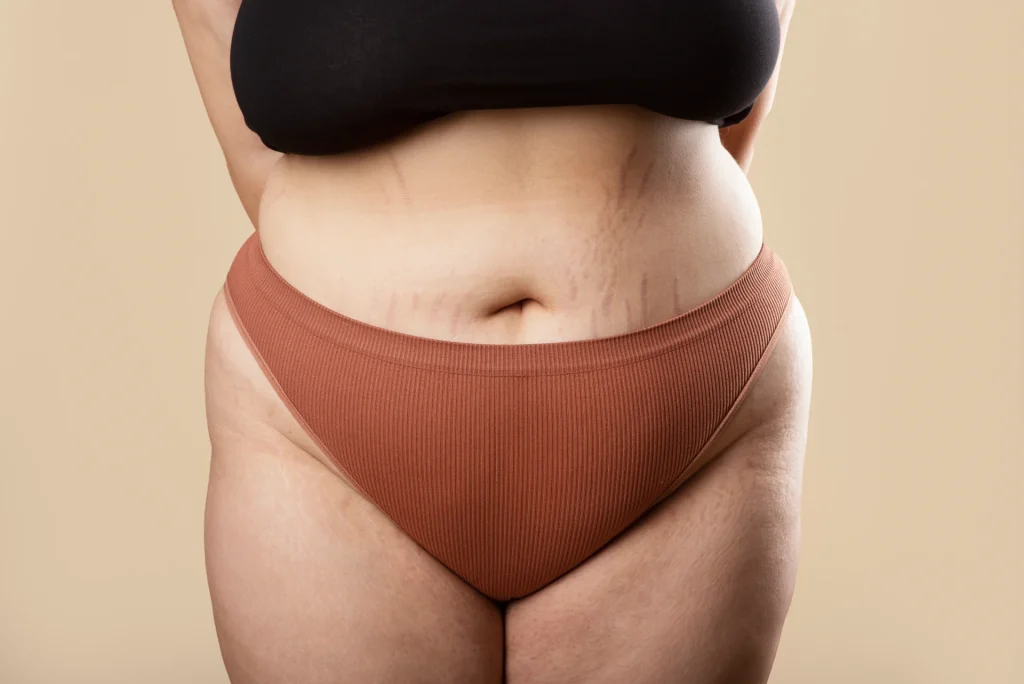
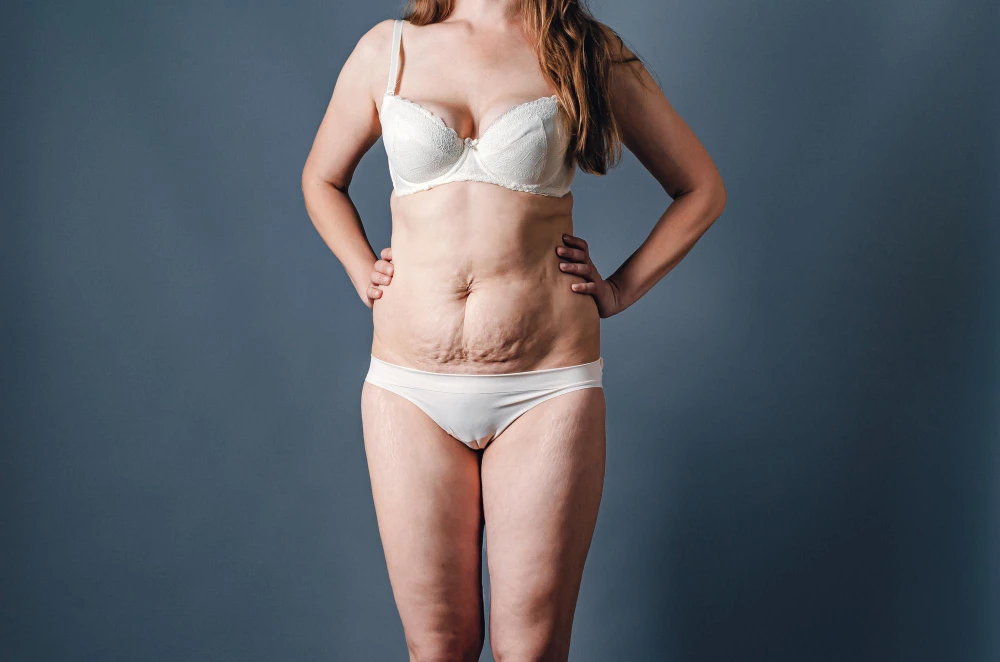
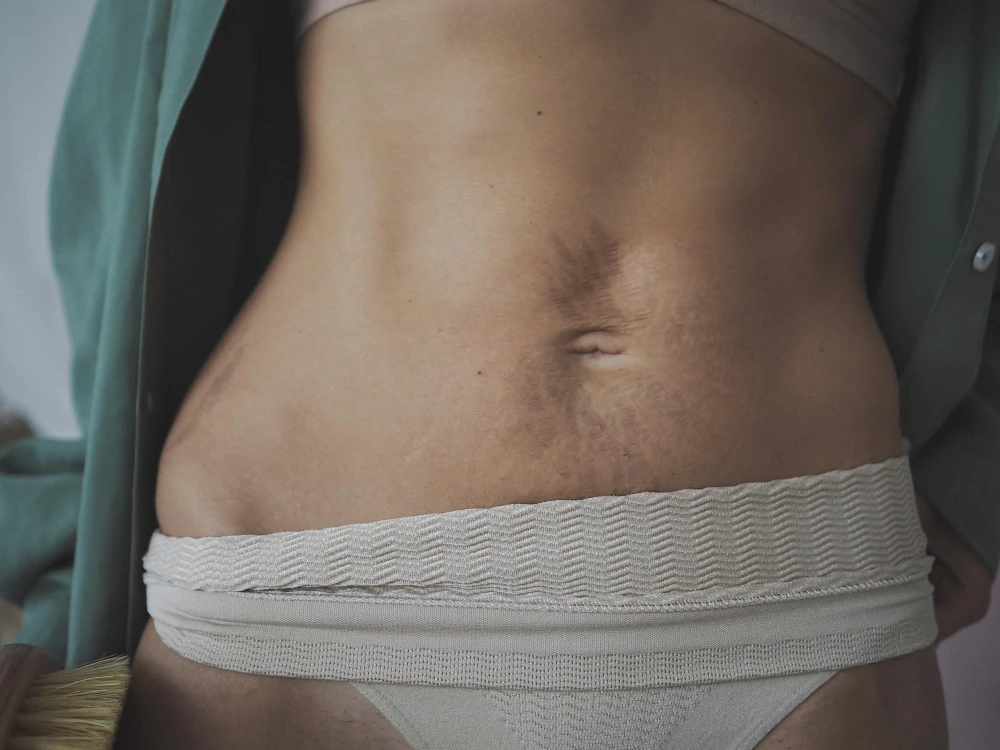
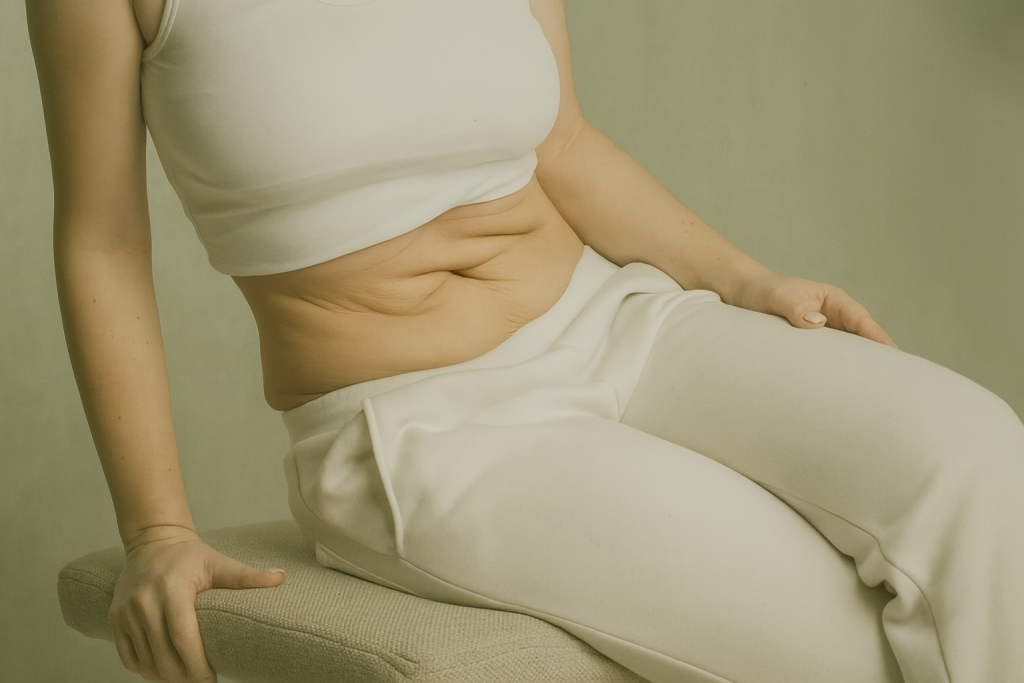
One of the most common concerns for mothers is postnatal diastasis recti, a condition caused by the natural stretching of abdominal muscles during pregnancy to accommodate a growing baby. Also known as belly separation after pregnancy, diastasis recti affects up to 60% of women by the third trimester — and for 40%, it can persist well after childbirth.
Whether you’re a new mom or years into your motherhood journey, diastasis recti can affect your core strength and overall well-being. Combined with changes in your pelvic floor, nutrition, and sleep patterns, this condition — often referred to as the mommy pooch — can impact your long-term health and confidence.
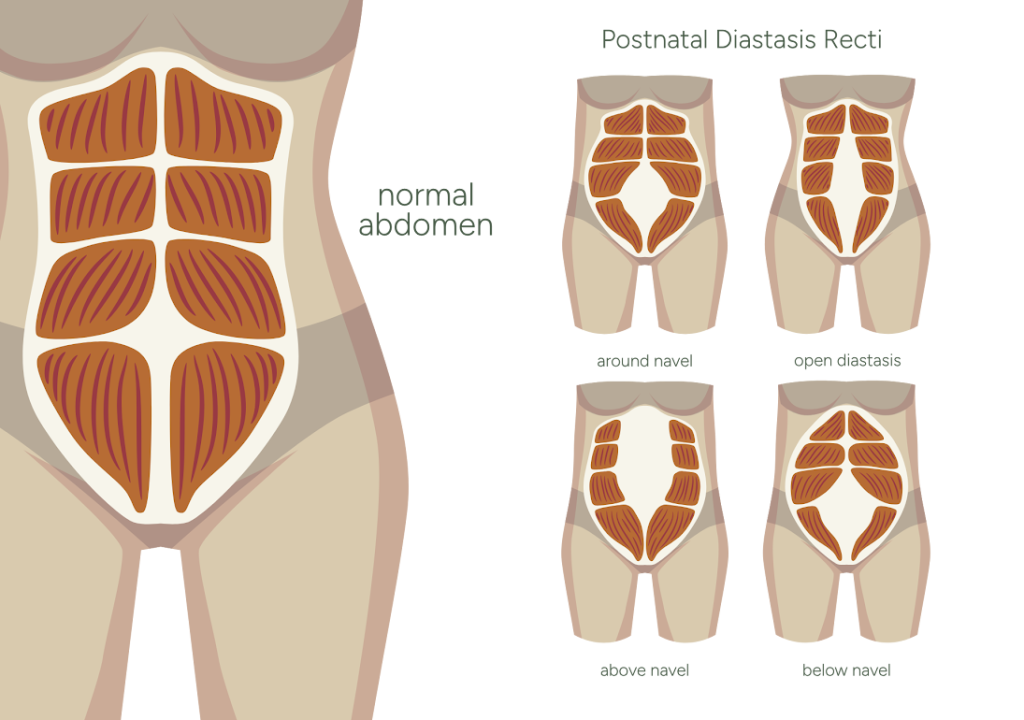
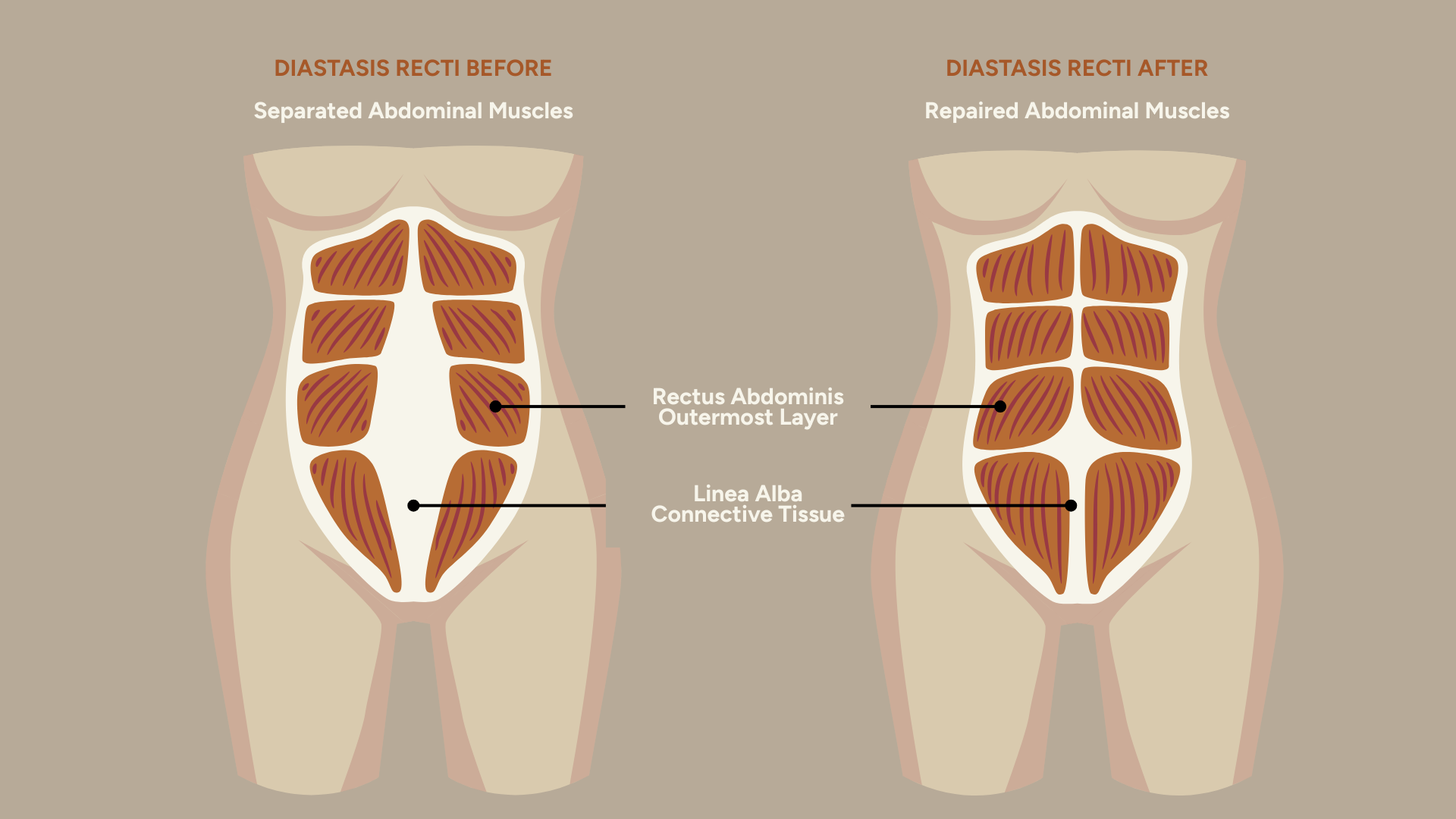
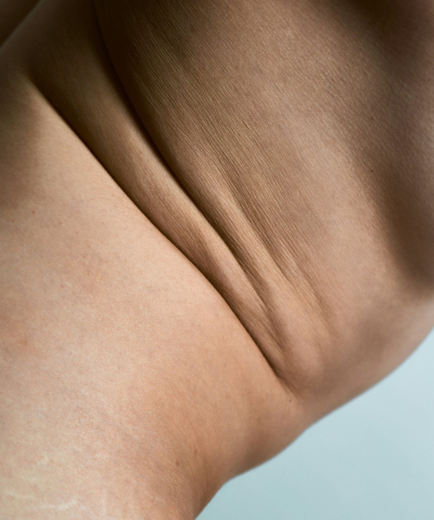
As your baby and abdomen grow during pregnancy, the rectus abdominis — also known as the six-pack muscles — are stretched apart, creating a vertical gap down your midline.
This condition is called diastasis recti, or belly separation during pregnancy, and is a common cause of the postnatal mommy pooch.
One of the most common concerns for mothers is postnatal diastasis recti, a condition caused by the natural stretching of abdominal muscles during pregnancy to accommodate a growing baby. Also known as belly separation after pregnancy, diastasis recti affects up to 60% of women by the third trimester — and for 40%, it can persist well after childbirth.
Whether you’re a new mom or years into your motherhood journey, diastasis recti can affect your core strength and overall well-being. Combined with changes in your pelvic floor, nutrition, and sleep patterns, this condition — often referred to as the mommy pooch — can impact your long-term health and confidence.
As your baby and abdomen grow during pregnancy, the rectus abdominis — also known as the six-pack muscles — are stretched apart, creating a vertical gap down your midline.
This condition is called diastasis recti, or belly separation during pregnancy, and is a common cause of the postnatal mommy pooch.


Weak core, belly bulge, lower back pain, and intimacy discomfort? It could be diastasis recti.
You’ll lie comfortably on a treatment bed while undergoing core muscle stimulation. This treatment is non-invasive and typically well-tolerated.
For just $68 (U.P $300), you’ll receive a comprehensive, hands-on session that combines clinical assessment with real, non-invasive core recovery.
BTL® Embody Core Strengthening Treatment
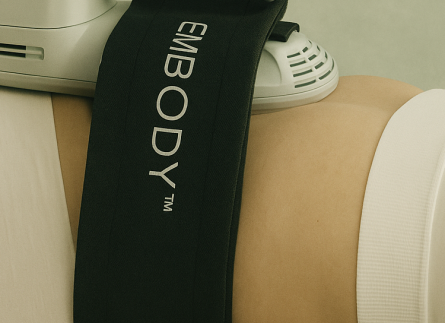
Experience a high-intensity, non-invasive treatment that stimulates thousands of muscle contractions —equivalent to 20,000 crunches per 30 minutes—to help close the abdominal gap and rebuild core strength.
Pelvic Floor Assessment
Identify muscle tone, strength, and control, addressing common concerns like bladder leaks or discomfort.
Diastasis Recti Assessment
Evaluate the degree of abdominal muscle separation, linea alba strength and severity of skin laxity
Experience a high-intensity, non-invasive HIFEM treatment that stimulates thousands of supramaximal muscle contractions, equivalent to about 20,000 crunches in 30 minutes.
This technology supports targeted core activation to help close the abdominal gap and rebuild core strength.
BTL® Embody Core Strengthening Treatment
Experience a high-intensity, non-invasive treatment that stimulates thousands of muscle contractions —equivalent to 20,000 crunches per 30 minutes—to help close the abdominal gap and rebuild core strength.
Pelvic Floor Assessment
Identify muscle tone, strength, and control, addressing common concerns like bladder leaks or discomfort.
Full Postpartum Assessment
Prologue’s comprehensive assessment for postpartum mothers includes ultrasound and a physical evaluation of the pelvic floor and abdominal muscles.
EMBODY™ has been shown to deliver a 16% increase in muscle mass and a 19% reduction in fat—results that outperform many manual workouts and in-clinic toning tools. The treatment’s supramaximal contractions offer results far beyond what you can achieve with a typical gym regimen.
EMBODY™ utilises HIFEM technology to deliver high-intensity muscle stimulation, supporting improvements in core strength, abdominal tone and functional stability.
The supramaximal contractions produced during each session are significantly beyond what can be achieved through voluntary exercise alone.
It has been shown to deliver 16% increase in muscle mass and a 19% reduction in fat, results that outperform many manual workouts.
At Prologue, EMBODY™ is incorporated within a structured programme planned by our women’s health team, and may be used alongside RF-based treatments when clinically appropriate for comprehensive core and abdominal support.
EMBODY™ has been shown to deliver a 16% increase in muscle mass and a 19% reduction in fat—results that outperform many manual workouts and in-clinic toning tools. Powered by HIFEM technology, it delivers high-intensity muscle stimulation and supramaximal contractions beyond what voluntary exercise alone can achieve, supporting improvements in core strength, abdominal tone, and functional stability.
At Prologue, EMBODY™ is incorporated within a structured programme planned by our women’s health team, and may be used alongside RF-based treatments when clinically appropriate for comprehensive core and abdominal support.
Our clinic uses medical-grade devices combining high-intensity focused electromagnetic (HIFEM) technology for muscle stimulation with radiofrequency (RF) for fat reduction, delivering tailored care beyond standalone HIFEM-based treatments such as the widely recognized EMSCULPT.
While comparable HIFEM and RF platforms exist in the market, Prologue’s difference lies in how the technology is applied. Your programme is clinically personalised and may be integrated with physiotherapy, lifestyle guidance, and women’s-health support where appropriate, ensuring results are aligned with your body, needs, and long-term goals, not just the machine.
Diastasis recti is the separation of the abdominal muscles, particularly the rectus abdominis, which can lead to various physical and health issues. It is commonly associated with pregnancy and postpartum recovery — particularly in cases of belly separation during pregnancy.
Here’s why it’s important:
The separation weakens the core muscles, impacting overall stability and posture. This can make daily activities, like lifting, bending, or even walking, more challenging.
A weakened core leads to poor support for the spine, often resulting in lower back pain and discomfort.
With a compromised core, there’s a higher risk of injury during physical activity or exercise due to the lack of proper muscle support.
Severe postnatal diastasis recti may affect pelvic floor health, leading to urinary incontinence or pelvic organ prolapse.
A persistent mommy pooch or bulging belly may remain despite weight loss, affecting body image and self-esteem.
Without proper diastasis recti treatment, symptoms can worsen over time, leading to further complications with movement, back health, and pelvic floor issues.
Early diagnosis and appropriate treatment, including specific exercises, can help reduce these risks and improve quality of life.
Diastasis recti may improve naturally for some women, but the extent of recovery depends on the severity of separation and how well the abdominal wall is supported during the early postpartum period. For best outcomes, it’s recommended to seek assessment and treatment around 6–8 weeks postpartum, when the tissues are still in an active healing phase and typically respond better to intervention.
The longer diastasis recti is left unaddressed, the more established the separation can become—often making recovery more difficult and requiring a longer, more structured plan to rebuild core strength and function. Early evaluation helps clarify the degree of separation and ensures you follow the most appropriate approach for safe, effective recovery.
Recovery doesn’t stop at diastasis recti.
Whether you’re facing bladder leaks, intimacy discomfort, or stubborn postpartum fat, we’re here with targeted solutions to support every part of your healing.
Our advanced, non-invasive treatments are designed to restore function, confidence, and comfort—without surgery or downtime.

Assessment + Emsella Chair Treatment
Urinary leaks, urgency, or bladder weakness post-birth or during perimenopause?
Done fully clothed, Emsella chair delivers the power of 11,000 Kegels in one session. Helping to restore bladder control and strengthen the pelvic floor, without surgery or downtime.

Assessment + Exion Treatment
Experience vaginal dryness, laxity, or discomfort during intimacy?
Exion is the latest innovation in intimate wellness—more advanced than Exilis, combining RF with deep tissue stimulation for better collagen renewal and visible results.
15-min Nutrition Consult + Fat Reduction Treatment
Still dealing with stubborn belly fat that doesn’t respond to diet or exercise?
Vanquish uses contactless radiofrequency to destroy fat cells painlessly and safely, covering larger areas than traditional fat-reduction methods.

With a special focus on women’s health, we offer tailored services for every phase of a woman’s life, addressing unique needs and challenges. From preventive screenings to lifestyle modifications, our approach ensures modern women receive the care and support they deserve.
Our holistic approach brings together an experienced team that cares for you, and is supported by doctors from Prologue The Lifestyle Clinic — giving you a complete overview of your body and care.
We’re proud to be part of the trusted SL Aesthetic Group, with a centrally located space in Orchard for your convenience.

Principal of Programmes

Perimenopause Health Coach

Dietitian

Nutritionist

Clinic Manager
A member of SL Aesthetic Group
391 ORCHARD ROAD, #05-25A/25B
ngee ann city podium block
SINGAPORE 238872
also part of prologue:
prologue the lifestyle medical clinic